Yapahuwa Travel Guide: Discover Sri Lanka’s Ancient Rock Fortress
Yapahuwa is one of Sri Lanka’s most fascinating historical destinations. Located in the north-western part of the country, this ancient rock fortress rises above the surrounding countryside and offers visitors a memorable journey through Sri Lanka’s royal past. First, the site combines history, nature, and beautiful stone architecture in one unique place.
During the 13th century, King Buwanekabahu I selected this location as the capital of Sri Lanka. He built strong defenses around the rock and protected the Sacred Tooth Relic there. Therefore, the fortress played an important role in the island’s history.
Why Visit Yapahuwa?
This historic destination is perfect for travelers who enjoy ancient history, impressive views, and quiet cultural sites. Moreover, the rock fortress offers a less crowded experience than some of Sri Lanka’s more famous attractions.
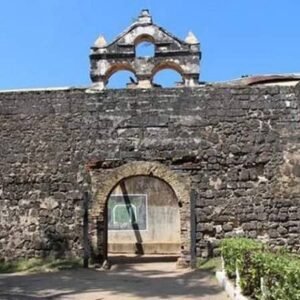
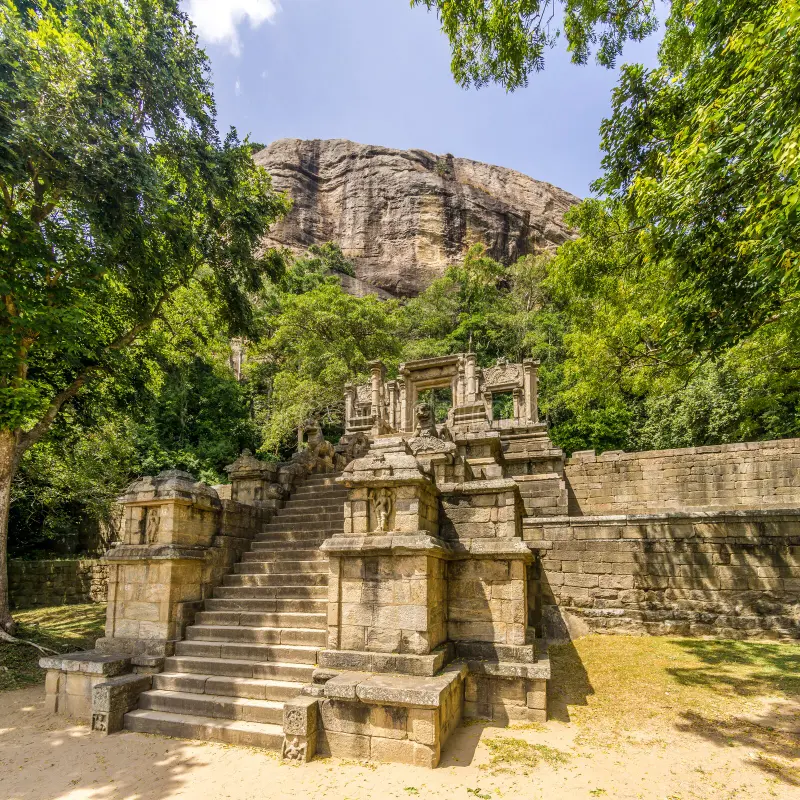
Visitors can explore the ancient entrance, stone stairways, palace ruins, temples, and defensive walls. For example, the grand stone staircase shows the remarkable skill of ancient Sri Lankan artists and builders.
Climb the Famous Stone Staircase
The stone staircase is one of the main highlights of the site. Ancient craftsmen decorated the steps with detailed carvings, guardian figures, and beautiful stone designs. As visitors climb higher, they can admire the craftsmanship that has survived for centuries.
At the top of the staircase, visitors can see the remains of the Temple of the Tooth Relic. Although time has changed much of the original structure, the ruins still show the importance this place once held as a royal capital.
Discover Yapahuwa’s Royal History
King Buwanekabahu I developed the fortress as a protected capital during a difficult period in Sri Lankan history. The large rock gave the kingdom a strong defensive position, while walls and moats helped guard the city below.
The Sacred Tooth Relic remained there for a short time. However, invaders attacked the kingdom and took the relic to South India. Later, Sri Lankan rulers brought it back to the island. This history makes the ancient capital important for both cultural and religious tourism.
Enjoy the View from the Rock Fortress
This attraction offers more than historical ruins. Visitors who climb the rock can enjoy wide views of green forests, villages, and open countryside. In addition, the peaceful natural setting makes the visit even more enjoyable.
The climb may feel challenging for some visitors, but the views make the effort worthwhile. Bring water, wear comfortable shoes, and take your time while exploring the site.
Helpful Travel Tips for Yapahuwa
Visitors can explore the fortress in the early morning or late afternoon, when the weather feels cooler. These times also provide soft natural light for photographs. Moreover, visiting during these hours can make the climb more comfortable.
Wear modest clothing because the site has religious and cultural importance. Visitors should also respect the ancient structures and avoid climbing on damaged walls or carvings. Finally, carry sunscreen, a hat, water, and a camera for your visit.
Why You Should Visit This Ancient Capital
Yapahuwa is more than an ancient rock fortress. In fact, it tells a powerful story about Sri Lanka’s kings, Buddhist heritage, and architectural talent. From the famous stone staircase to the peaceful views from the rock, every part of the site feels special.
If you are exploring Sri Lanka’s cultural and historical attractions, add this destination to your travel list. You can learn about the island’s past, enjoy beautiful scenery, and experience a lesser-known treasure of Sri Lanka.
Nearly Place: Polonnaruwa