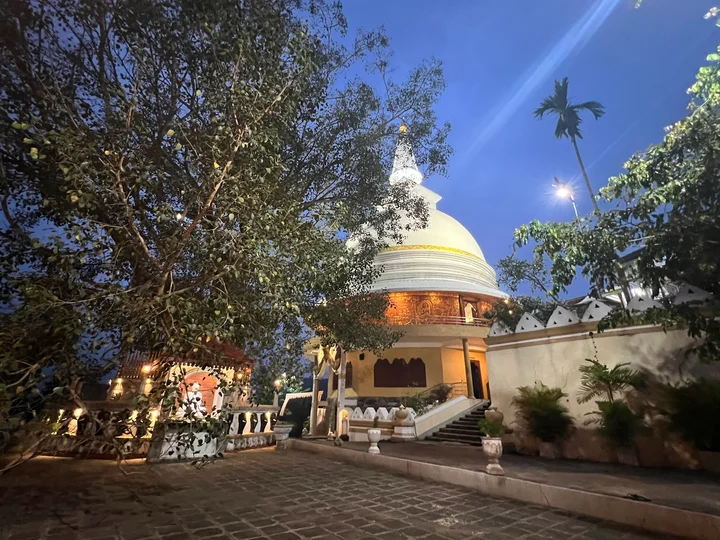
Asgiri Gedige Rajamaha Viharaya stands among the historic Buddhist sites in Kandy, Sri Lanka. The temple forms part of the wider Asgiri Maha Viharaya complex and reflects the religious and cultural heritage of the Kandyan Kingdom. Today, visitors can explore its historic surroundings and learn about its connection with Buddhism, the Kandyan royal family, and the Kandy Esala Perahera.
Explore Asgiri Gedige Rajamaha Viharaya
The history of the Asgiri monastic tradition reaches back many centuries. Historical accounts connect the tradition with forest-dwelling Buddhist monks and the reign of King Parakramabahu IV.
Over time, the monastery gained an important place in Kandy’s religious life. It also developed close links with the Kandyan royal court. Members of the royal family maintained strong connections with the monks and the monastery.
The historic buildings and peaceful surroundings give visitors a glimpse into the Buddhist heritage of Kandy.
Traditional Gedige Architecture
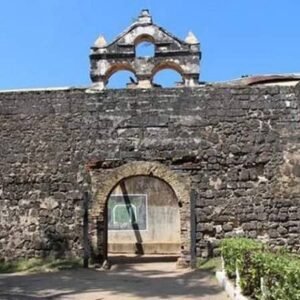
One of the main attractions at the temple is its traditional gedige-style architecture. The historic Vihara-geya shows architectural features that reflect Sri Lanka’s long Buddhist building tradition.
The surrounding complex also contains several religious and monastic buildings. Together, these structures demonstrate how Buddhist institutions developed alongside the historic city of Kandy.
Visitors interested in architecture can observe the traditional design while exploring the temple grounds.
Asgiri Gedige Rajamaha Viharaya and the Kandyan Royal Family
The temple has a strong connection with the history of the Kandyan royal family. The wider Asgiri complex once included an area where members of the royal family received their final rites.
People later referred to this area as Adahana Maluwa, meaning cremation ground. This historical connection adds another important chapter to the story of the temple and the Kandyan Kingdom.
Although the area has changed over time, its royal heritage remains an important part of Kandy’s history.
Role in the Kandy Esala Perahera
The temple also plays an important role in the Kandy Esala Perahera, one of Sri Lanka’s most famous cultural celebrations.
During the final stage of the procession, the Sacred Tooth Relic casket travels to the Gedige Viharaya. The casket remains there during the traditional ceremonies connected with the end of the procession.
This tradition gives the site a special place in the religious heritage of Kandy. It also connects the temple with one of Sri Lanka’s most significant annual cultural events.
A Centre of Buddhist Heritage
Asgiri Maha Viharaya serves as an important centre of Buddhist learning and monastic life. The Asgiriya Chapter of the Siyam Nikaya has its headquarters within the wider monastery complex.
For visitors, this historic temple offers more than a sightseeing attraction. It provides an opportunity to experience a peaceful religious environment and discover traditions that have shaped Kandy for centuries.
The site also helps travelers understand the close relationship between Buddhism, the Kandyan Kingdom, and Sri Lankan culture.
Visiting Asgiri Gedige Rajamaha Viharaya
Visitors should dress modestly and respectfully when entering the temple grounds. Comfortable clothing that covers the shoulders and knees is suitable for a religious site.
Travelers should also maintain a quiet atmosphere and follow instructions from temple staff or monks. Photography may have restrictions in certain areas, so visitors should check before taking photographs.
You can include the temple in a cultural tour of Kandy along with other historic attractions. Its location makes it a useful stop for travelers who want to explore the city’s religious and royal heritage.
Discover Kandy’s History
This historic temple gives travelers a chance to discover an important part of Kandy’s religious history. Its traditional architecture, royal connections, Buddhist traditions, and role in the Kandy Esala Perahera make it an interesting destination for cultural travelers.
A visit can add more depth to a Kandy sightseeing experience. It allows travelers to look beyond the city’s famous landmarks and discover another important part of Sri Lanka’s heritage.